The most useful hairstyles for women over 30 with round faces are not defined by one mandatory length or fringe. What matters more is where the cut places movement: a center part can create two clean vertical lines, curtain pieces can open the face, and cheek-level layers can add softness without making the whole silhouette feel heavy. Across these 22 looks, those small decisions change the balance more than any single haircut label.
That makes hairstyles for women in their 30s much more interesting than a simple short-versus-long choice. A blunt fringe can make long hair feel graphic, a shag can move volume toward the crown, and a compact bob can shift attention to the jaw or nape. The point of this collection is to compare those framing choices, so you can notice which combination of length, texture, bangs, and perimeter feels closest to what you want next.
Soft Center-Part Lob With Loose Bends
A shoulder-length lob does not need a sharp blunt edge to feel deliberate. Here, the center part creates two balanced front lines, while loose bends interrupt the perimeter before it can look stiff or overly polished. The length stays compact around the shoulders, but the movement gives it enough softness to feel relaxed rather than boxy.
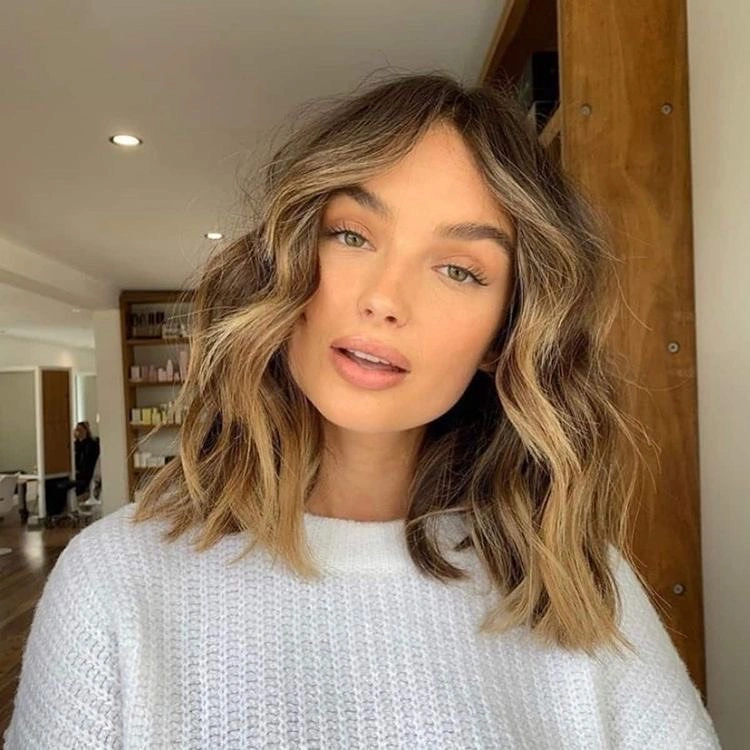
The lighter pieces near the face make those bends more noticeable without changing the basic shape of the cut. Because the brightness continues into the ends, your eye follows the curve from the cheek area down toward the shoulders. It is a subtle way to emphasize framing when you want the haircut to stay medium in length and easy on the eyes.
I like this shape for anyone drawn to a lob but wary of a severe finish. The soft bends keep the outline flexible while the center part gives the style a clear structure.
Layered Shag-Mullet With a Tapered Nape
This shag-mullet puts most of its drama high on the head, where short crown layers and cropped temple pieces build texture before the longer sections begin. The contrast is the point: the upper half feels compact and lively, while the nape stretches downward into a visibly longer tail. That separation gives the haircut its unmistakable profile.
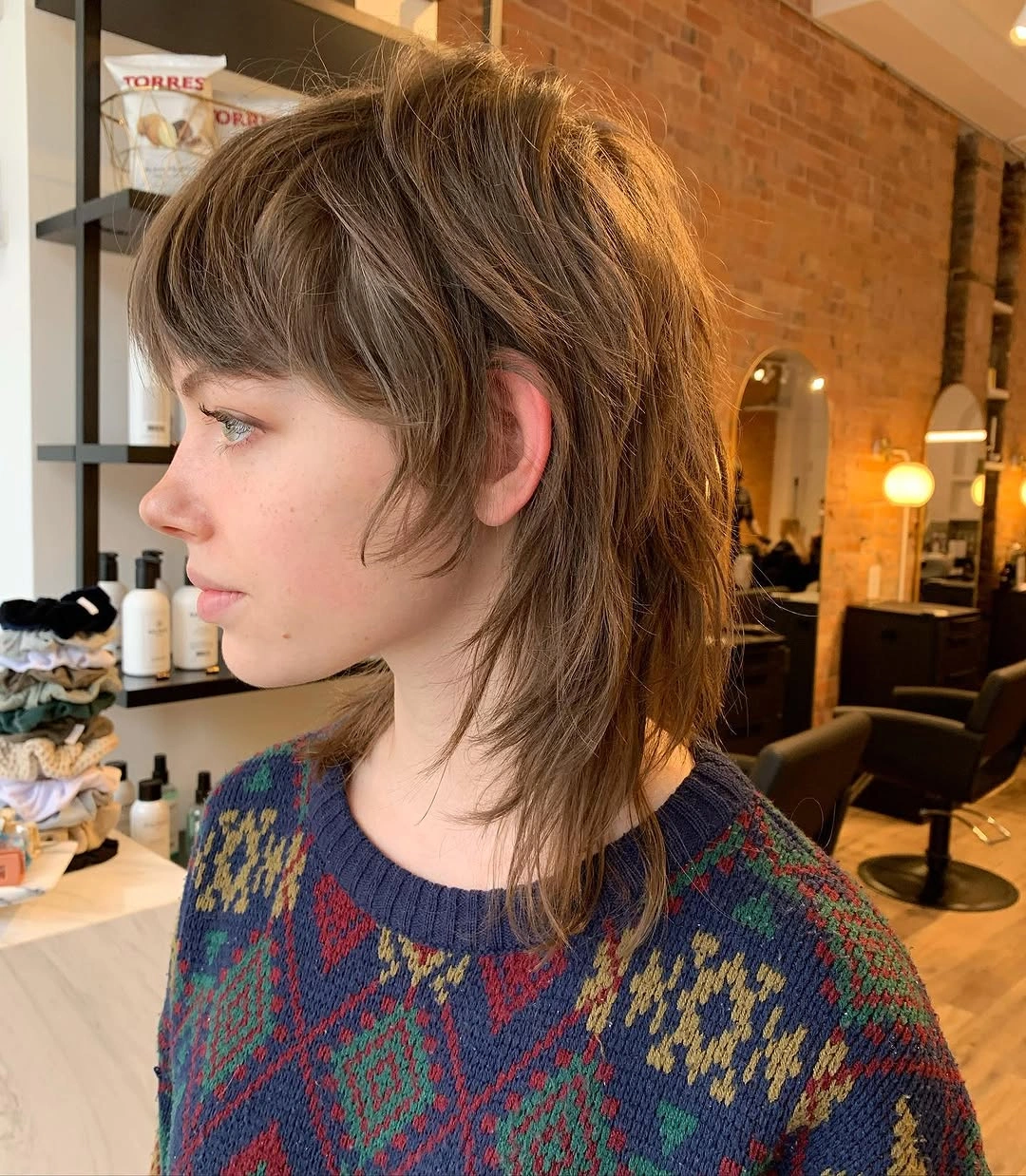
The longer back matters because it keeps the style from reading as simply short. Instead of one even length, the cut moves through distinct zones, with shorter pieces around the face and crown giving way to tapered sections behind the neck. If you like layered cuts with a strong silhouette, this is a clear example of how proportion can do the work.
The piecey fringe helps connect the cropped crown to the face without erasing the length contrast behind it. It is a bold shape, but the logic is easy to read once you notice where the short layers stop and the longer nape begins.
Long Hair With Full Straight Bangs
Full straight bangs give this long cut an immediate graphic edge. The fringe forms a clean horizontal line across the forehead, while the rest of the hair drops in long, mostly uninterrupted lengths below the shoulders. That push between a strong short feature at the front and extended vertical lines at the sides is what makes the shape feel balanced rather than top-heavy.
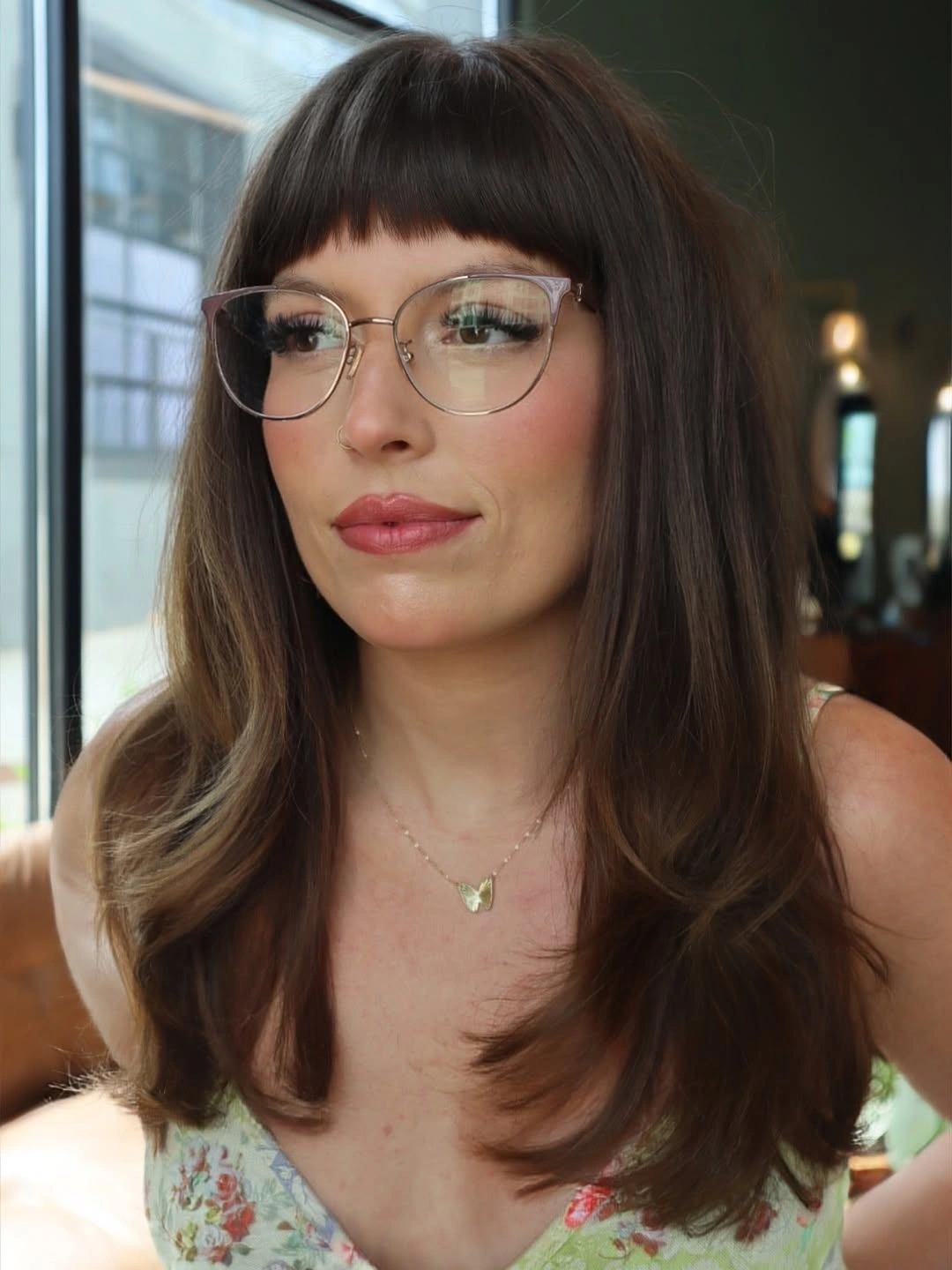
The layering through the sides stays restrained, so the bangs remain the defining detail instead of competing with lots of shorter pieces. Softly curved ends add movement lower down, but they do not break up the long silhouette. This is useful inspiration if you want fringe to change the mood of long hair without turning the whole cut into a shag.
The appeal comes from commitment to one clear focal point: the bangs. Keeping the remaining length relatively continuous lets that front line feel intentional instead of busy.
Airy Curtain Fringe With Graduated Long Layers
Airy center-split fringe changes the effect of long hair without closing off the forehead. The shortest pieces open in the middle and sweep outward beside the eyes and cheeks, then blend into progressively longer layers. That gradual transition creates movement around the face while letting the full length remain obvious from top to bottom.

For readers comparing hairstyles for women over 30 with oval faces, the useful idea here is placement rather than a rule about one perfect cut. You can shift the first layer higher or lower depending on how much framing you want around the eyes, cheeks, or jaw. The photograph shows how a softer fringe can work as the starting point for that graduated effect.
I especially like how the curves repeat through the lower sections instead of stopping after the fringe. The result feels cohesive because each longer layer continues the same outward sweep.
High-Crown Shag-Mullet With an Extended Nape
Seen from the side, the architecture of this shag-mullet becomes much easier to understand. Volume sits high and slightly back at the crown, while shorter pieces near the face create a clear break before the longer lower sections appear. Instead of forming one continuous shoulder-length mass, the haircut builds its shape through deliberate shifts in length.
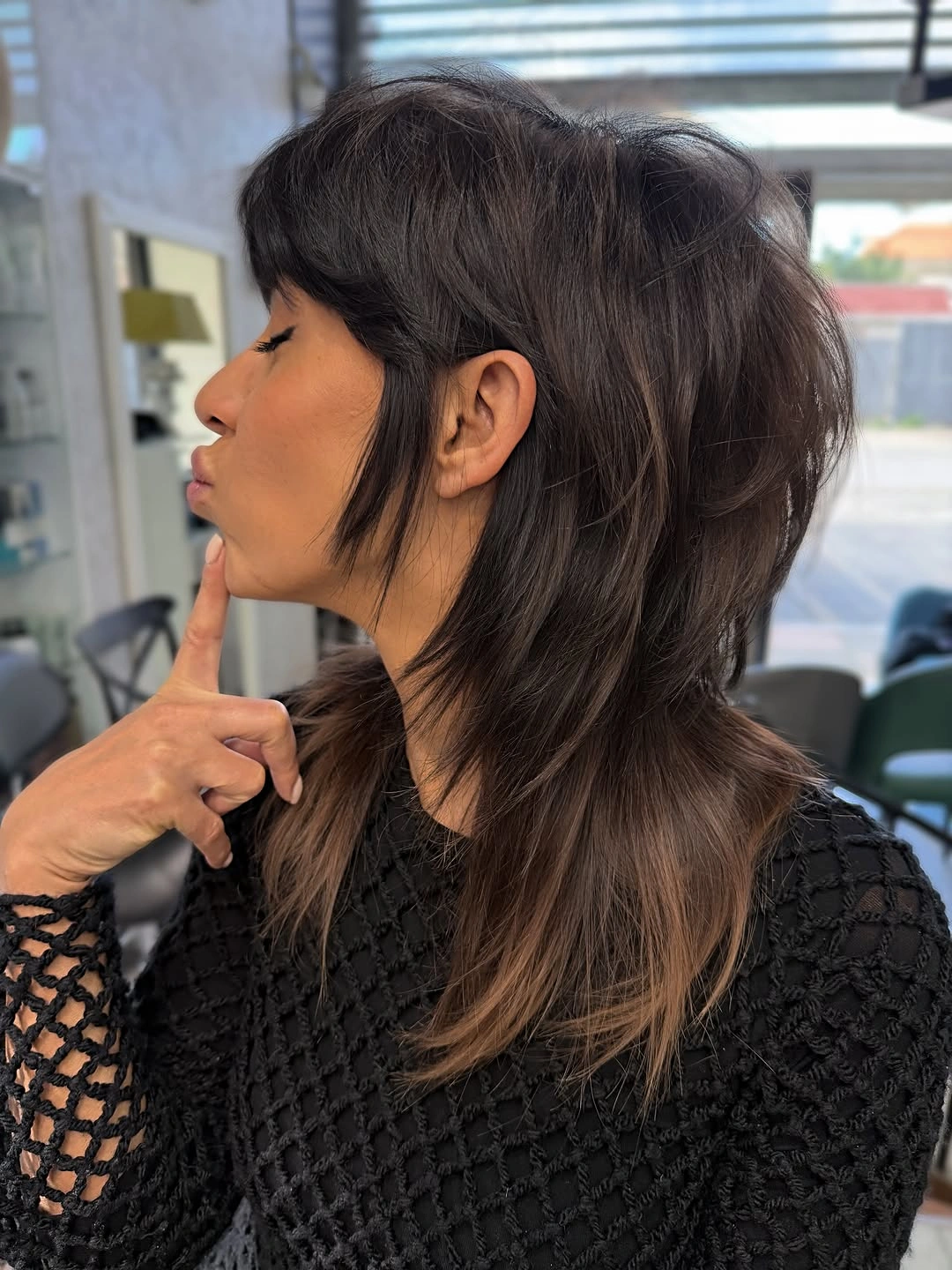
The tapered back preserves substantial length past the neck, which keeps the profile elongated even though the upper layers look distinctly cropped. That is what gives the cut its tension: the crown feels compact, but the lower edge keeps extending downward. If you are comparing layered cuts, this profile is a useful reminder that the back view can change the entire impression.
The shorter face pieces add separation without competing with the crown volume. They act as a bridge between the cropped upper shape and the longer tapered sections behind it.
Deep Side Part With Long Copper Waves
A deep side part gives this long cut its direction before the waves even enter the picture. The front section sweeps diagonally across the forehead, so the shape feels intentionally asymmetric rather than evenly divided around the face. Because the upper lengths stay comparatively smooth, that shift in the part reads clearly instead of disappearing into layers.
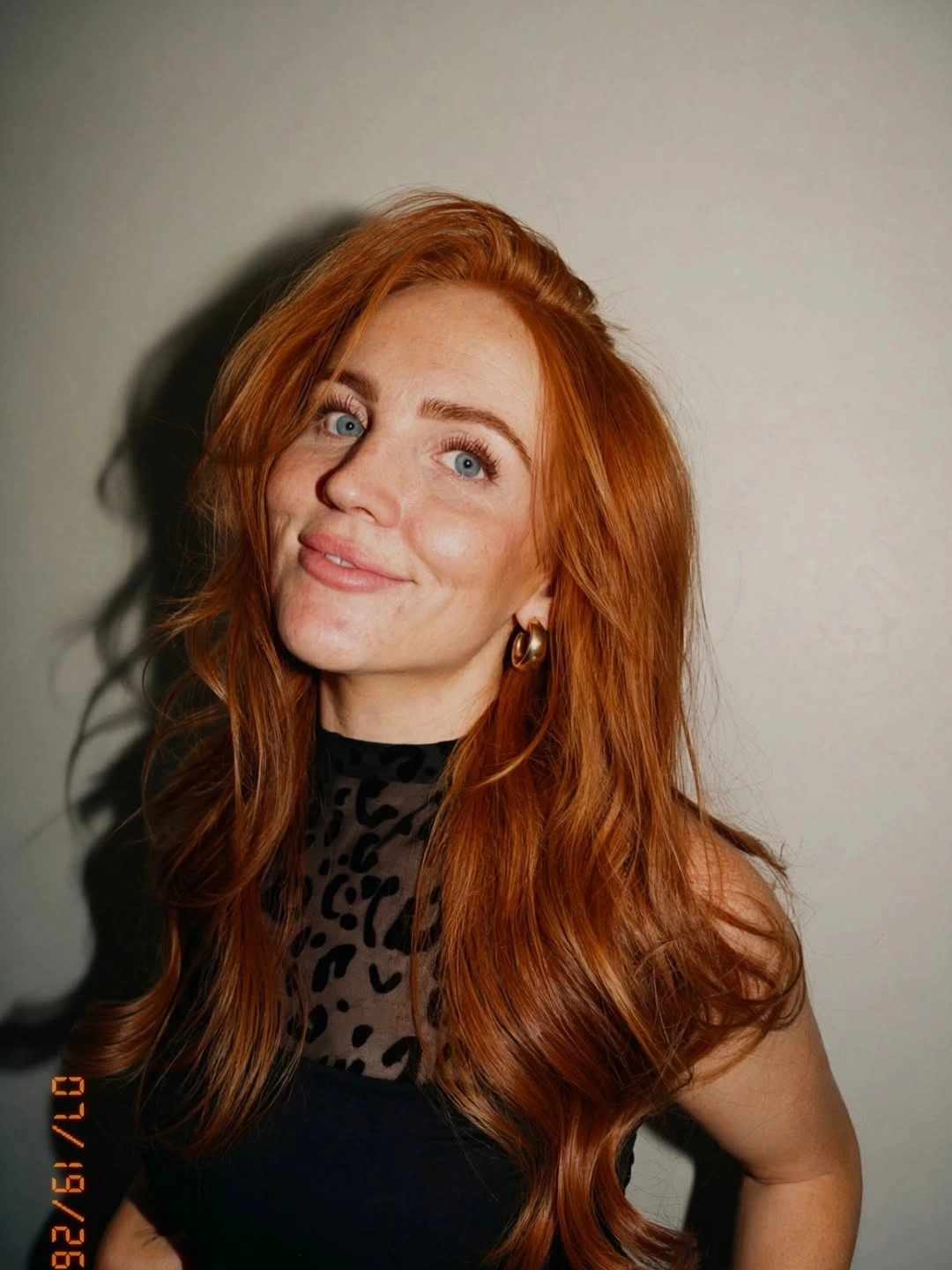
Most of the visible movement gathers lower down, where broad bends turn the long lengths away from a straight vertical fall. That placement keeps the overall perimeter looking substantial while preventing the ends from feeling heavy or static. It is a useful contrast for anyone who likes long hair but wants the front to have a stronger sense of direction without adding bangs.
The combination works because the part and the waves handle different jobs. One redirects the eye at the top, while the other gives the lower length a softer, more expansive finish.
Silver Shag With Wispy Split Fringe
The fringe is what keeps this shag feeling light around the forehead. Instead of forming one dense horizontal edge, the shorter pieces separate and open slightly through the center, leaving space between them. That airy beginning makes the transition into the cheek-level layers feel gentler, even though the haircut still has a clearly layered outline.
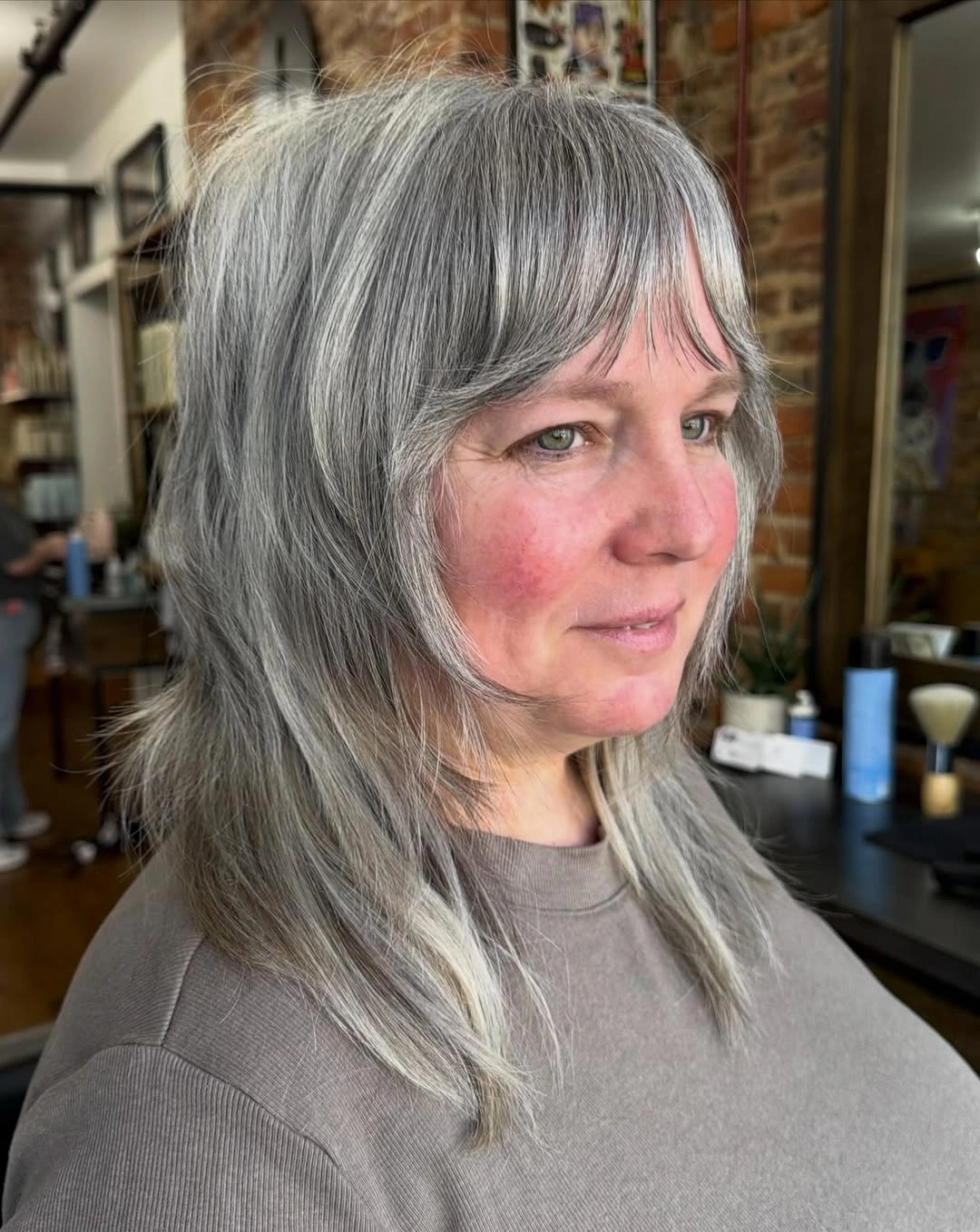
Around the sides, shorter sections break near the cheeks before longer pieces continue toward the shoulders with a straighter, narrower finish. The difference is noticeable without becoming extreme, so the cut sits somewhere between a clean medium-length shape and a much more disconnected shag. I like that restraint because the layering changes the silhouette without overwhelming it.
The tapered lower sections give the upper layers room to stand out while preserving a recognizable shoulder-length shape. It is a good example of how a shag can feel defined without relying on dramatic crown-to-nape contrast.
Feathered Medium Shag With Curtain Bangs
The most expressive movement in this cut happens around the upper sides rather than only at the ends. A center-split curtain fringe opens across the forehead and flows directly into feathered temple layers that sweep outward from the face. That connection creates a broad, airy frame near the cheeks while the lower outline remains comparatively narrow.
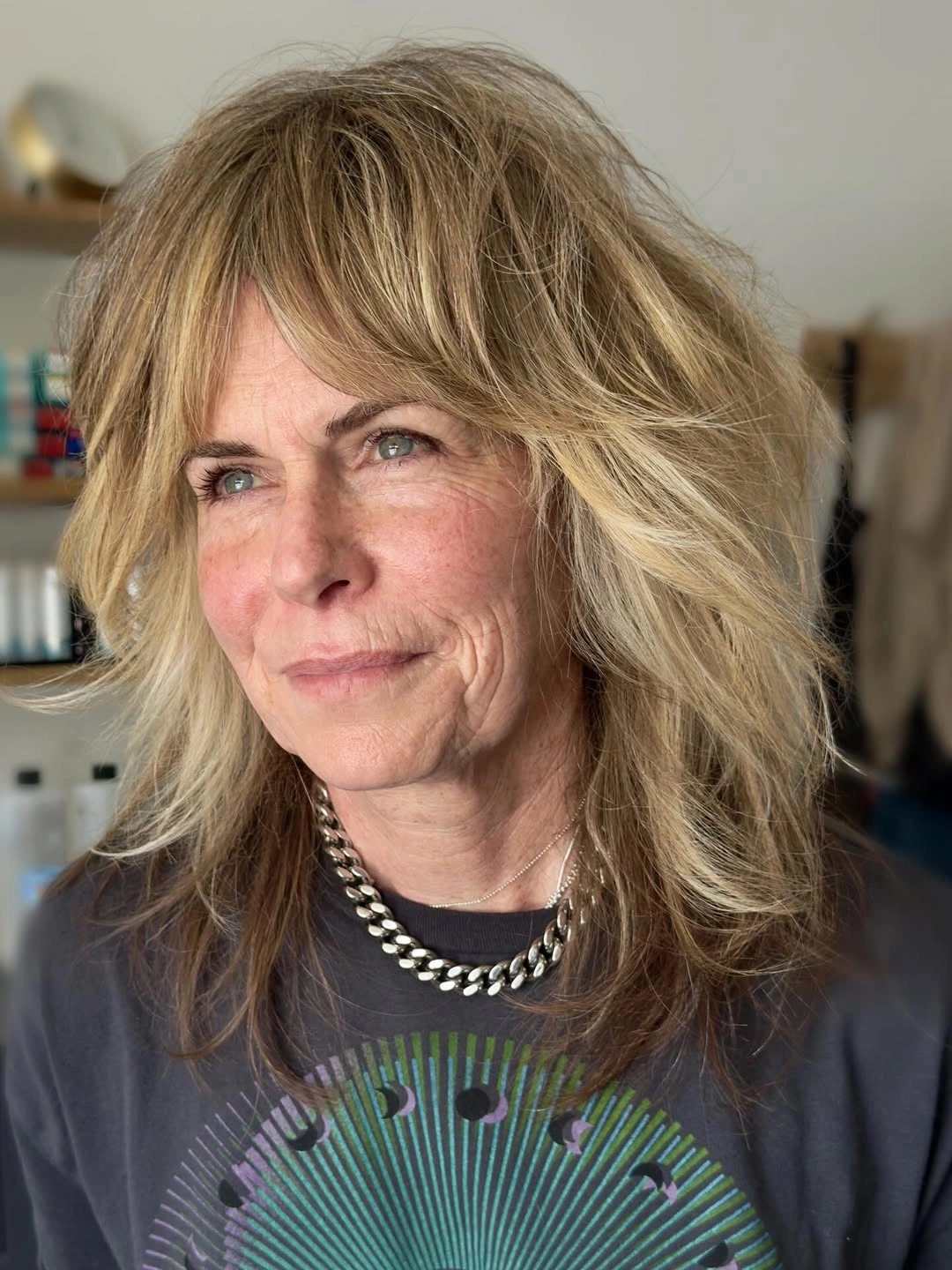
This is a strong example of medium-length hairstyles for women over 30 when the goal is movement rather than a compact bob shape. The shoulder-level length still gives the haircut a practical visual boundary, but the layers prevent that boundary from becoming the main event. Instead, your eye follows the outward curves around the face and upper sides.
The cut feels expansive where the framing matters most, then settles as it approaches the shoulders. That distribution makes the layers look purposeful rather than simply abundant.
Long Dark Shag With Cropped Fringe
Short fringe and cropped temple pieces create a surprisingly compact frame at the top of this otherwise very long haircut. The upper section almost suggests a much shorter cut when viewed around the forehead and ears, but that impression changes as soon as the lower lengths come into view. The contrast gives the shag its personality more than any single layer does.
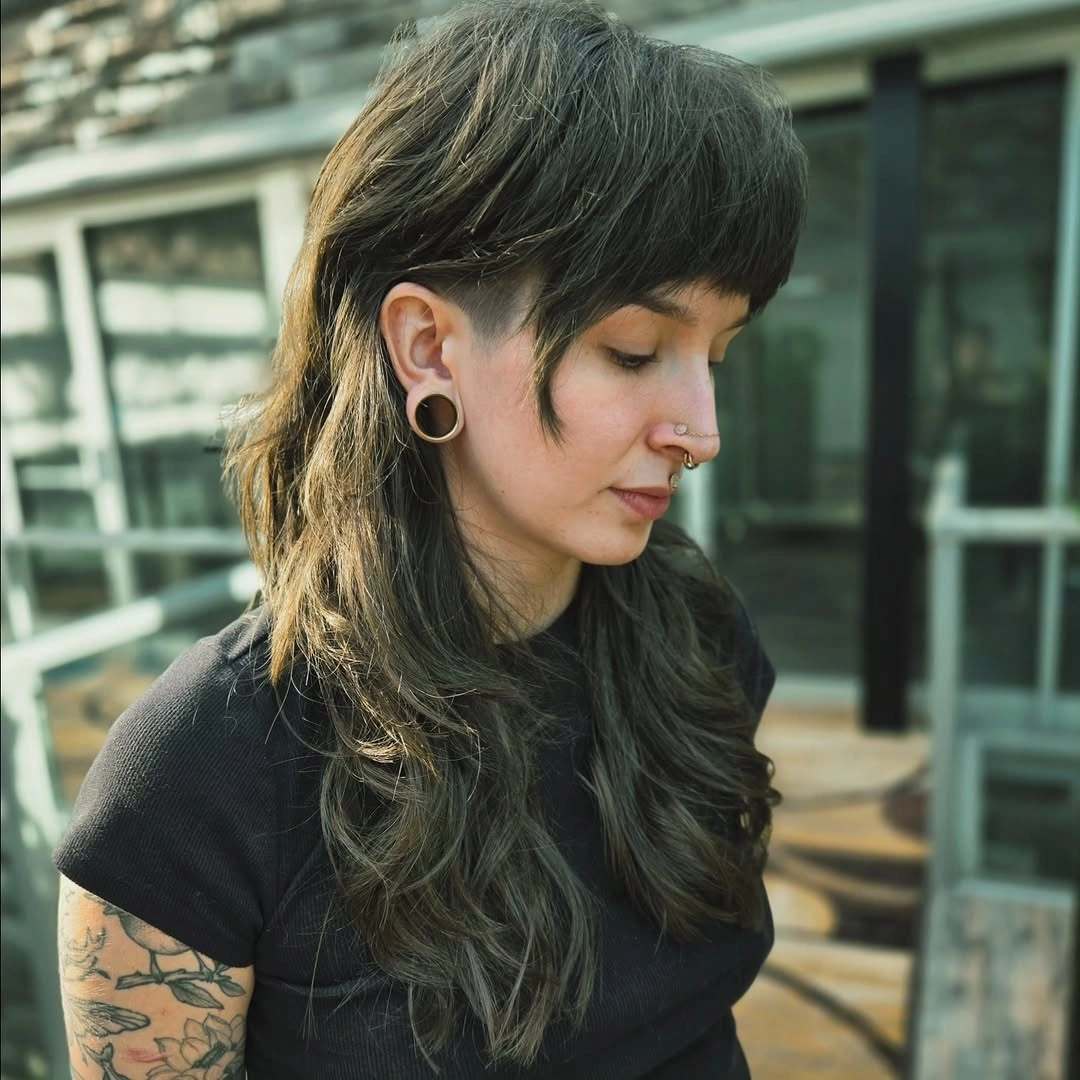
Below the shoulders, textured sections extend well past the cropped upper frame, so the hairstyle never loses its long-hair identity. That makes the cut especially interesting for someone who wants substantial length but finds one uninterrupted outline too predictable. The layers introduce separation without requiring the entire silhouette to become short or uniformly feathered.
The appeal lies in letting two different proportions coexist. The top stays compact and graphic, while the lower half keeps the sweep and presence of long hair.
Soft Copper Shag With Wispy Bangs
This shag takes a more blended approach to layering, beginning with short wispy bangs that separate into individual pieces instead of creating a heavy straight border. Behind them, the crown has visible fullness, but it moves naturally into the sides rather than forming a sharply disconnected upper section. The result feels layered from the start without looking abruptly tiered.
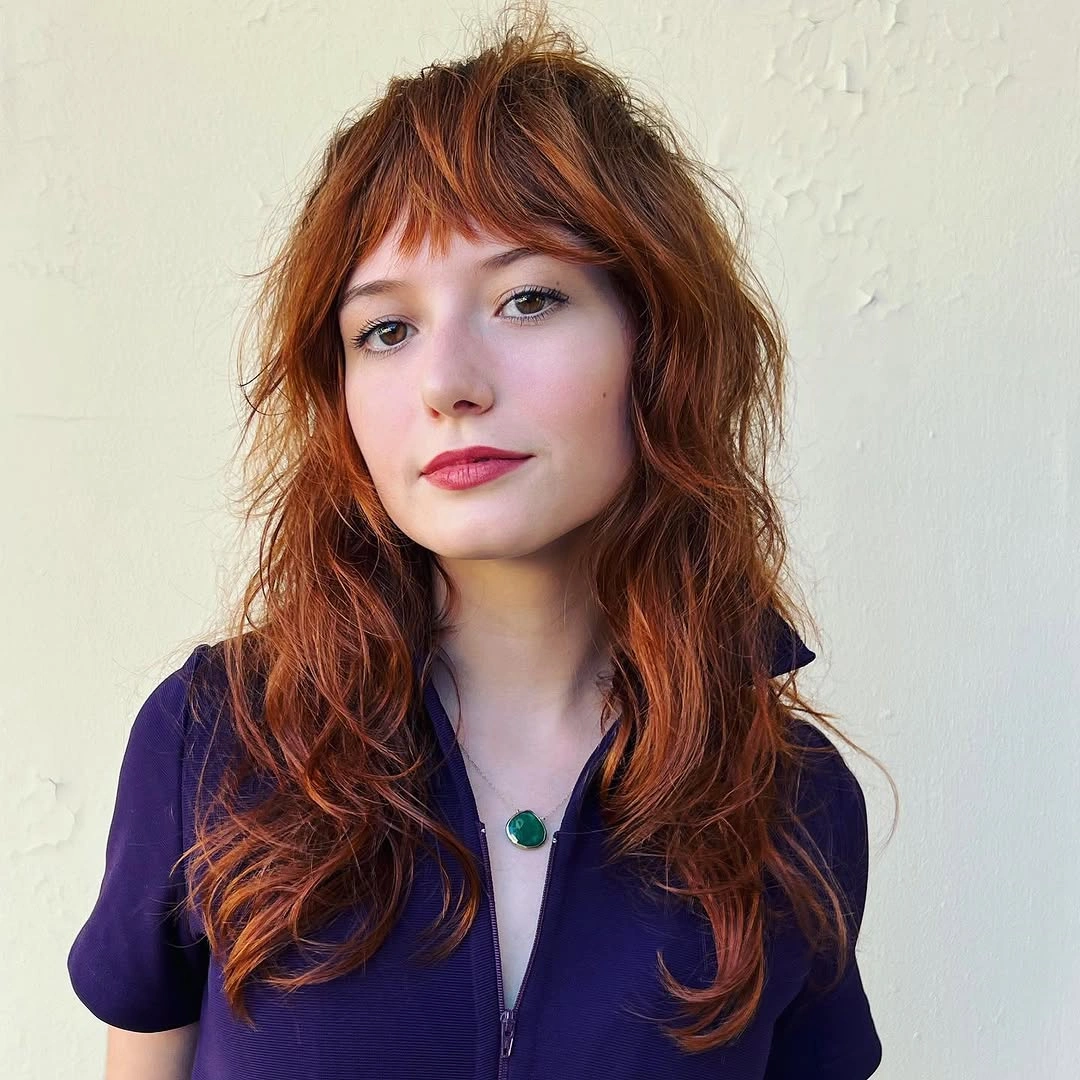
Loose waves carry that softness through the middle and lower lengths, curving around the shoulders and making the transitions between layers easier to see. Because the crown, sides, and ends all share some movement, no single area feels isolated from the rest of the haircut. This is the kind of shag I would choose when cohesion matters as much as texture.
The lower waves keep the perimeter from looking thin even though plenty of layering is visible above them. That balance gives the haircut motion from top to bottom without sacrificing a full overall shape.
Full Fringe With a Lighter Layered Perimeter
I like the contrast between the firm line of the fringe and everything that happens beside it. The bangs sit straight and full across the forehead, creating a compact upper border, but the haircut loosens almost immediately through shorter pieces around the cheeks. That change keeps the front defined without making the entire shoulder-length shape feel equally dense.
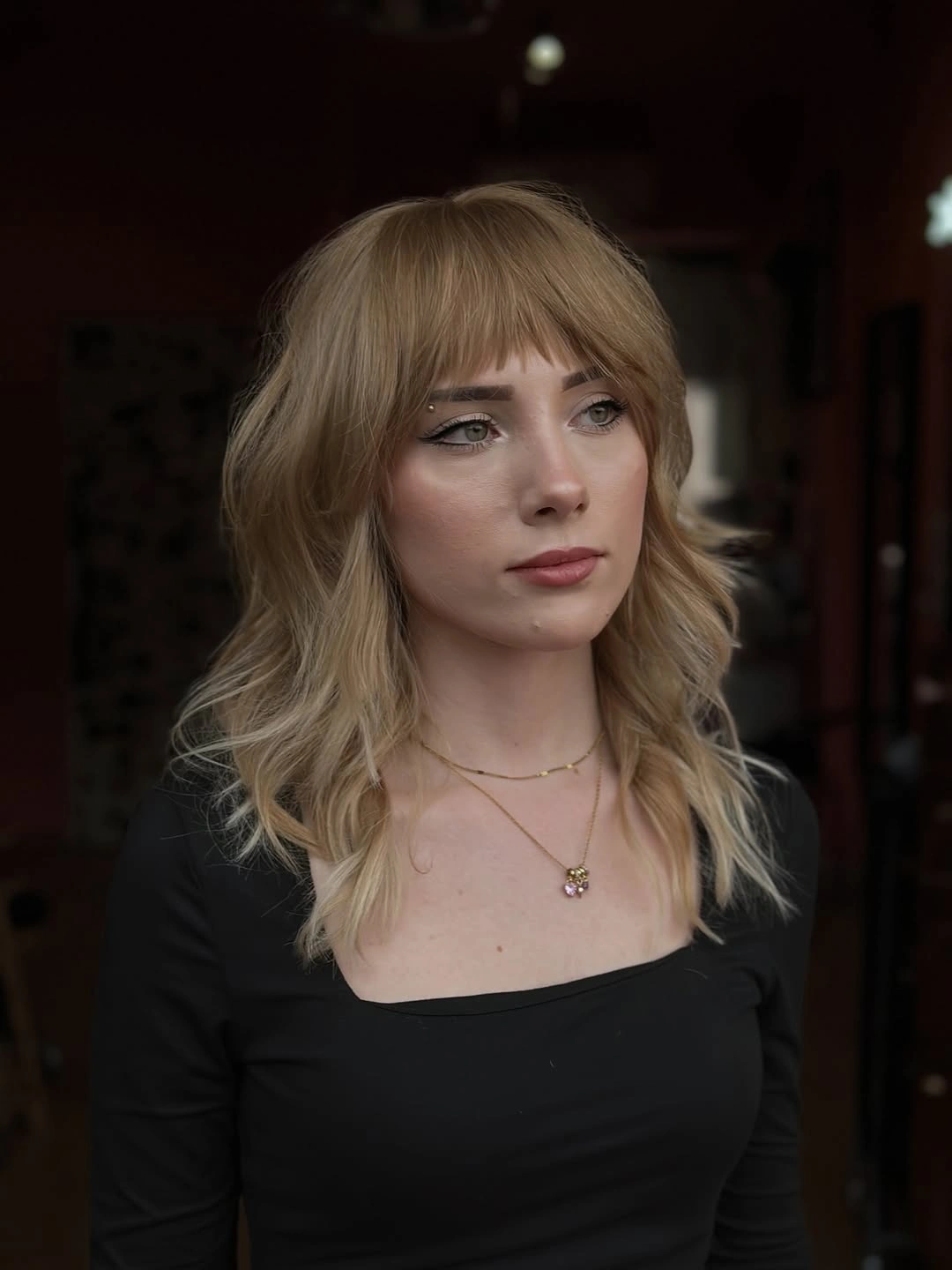
The ends move outward rather than collecting into one blunt line at the shoulders, and that small decision gives the perimeter a noticeably lighter character. Because several layers finish at different points, the lower shape has space between its curves instead of reading as a single solid edge. The fringe can therefore stay graphic while the rest of the haircut remains mobile.
Those two qualities do not compete because they occupy different parts of the cut. The bangs supply definition near the eyes, while the softer perimeter lets the medium length feel relaxed.
Choppy Bob With a Broken Back Edge
From the back, this bob is less about face framing and more about what happens along the perimeter. The nape-length outline is compact, yet individual ends kick and separate at slightly different angles instead of settling into one precise horizontal edge. That irregularity gives a relatively simple short shape more texture without requiring visibly dramatic layering throughout the whole cut.
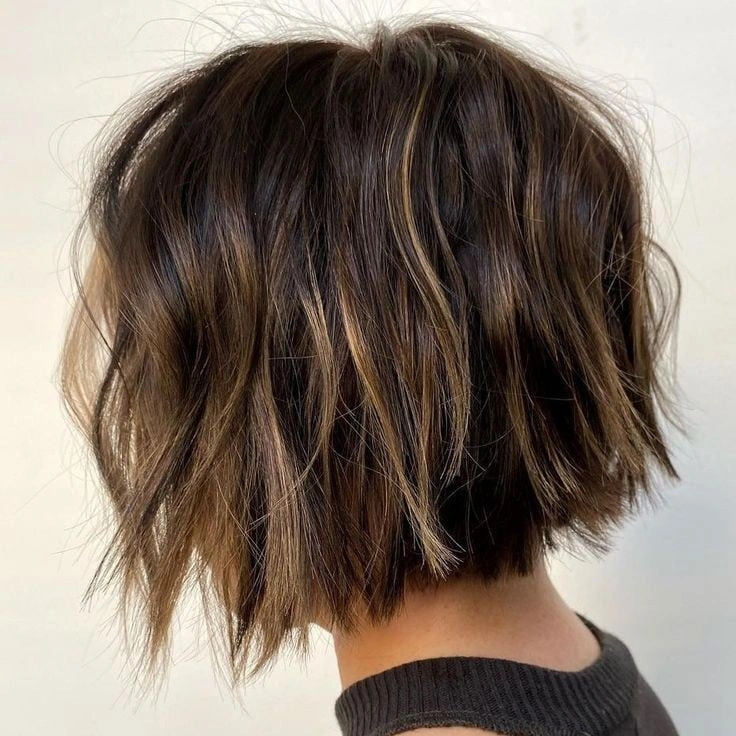
Narrow lighter pieces running vertically through the darker hair make those separated sections easier to notice. They draw attention to the direction of individual pieces and help the choppy edge register clearly across the back, especially where the darker base might otherwise merge into one mass. The color placement therefore emphasizes the cut's broken texture rather than changing its basic geometry.
This is the kind of bob where a slightly untidy perimeter is part of the appeal rather than something to smooth away. The compact length stays clear even while the ends refuse to form a perfectly neat line.
Wavy Lob With Lightened Textured Ends
Broad waves give this shoulder-length lob most of its shape, especially when viewed from the back. The bends move in alternating directions instead of forming one repeated curl pattern, so the outline looks softer and less predictable as it approaches the shoulders. That movement keeps the medium length from reading flat even though there is no visible fringe to redirect attention near the face.
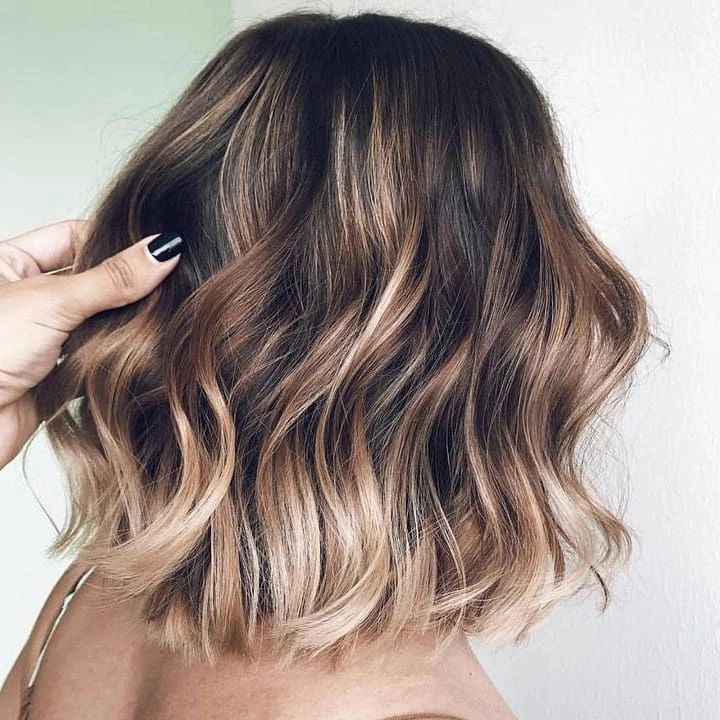
The lighter ribbons become most noticeable toward the lower lengths and pale ends, which makes the curves near the perimeter stand out more clearly. Each bend catches the eye at a slightly different point, so the lower edge feels textured rather than uniformly cut across. I prefer that effect here because it lets the waves, not a sharply engineered outline, define the lob.
The back view makes a useful point about medium lengths: movement alone can substantially change their character. A shoulder-level perimeter can feel structured without ever becoming rigid.
Angled Bob With a Rounded Short Back
The back of this bob sits close and rounded, creating a compact shape that hugs the nape before the front begins to lengthen. That contained rear profile is important because it makes the longer pieces beside the face feel more deliberate. Rather than carrying one consistent length around the head, the haircut changes proportion as it moves from back to front.
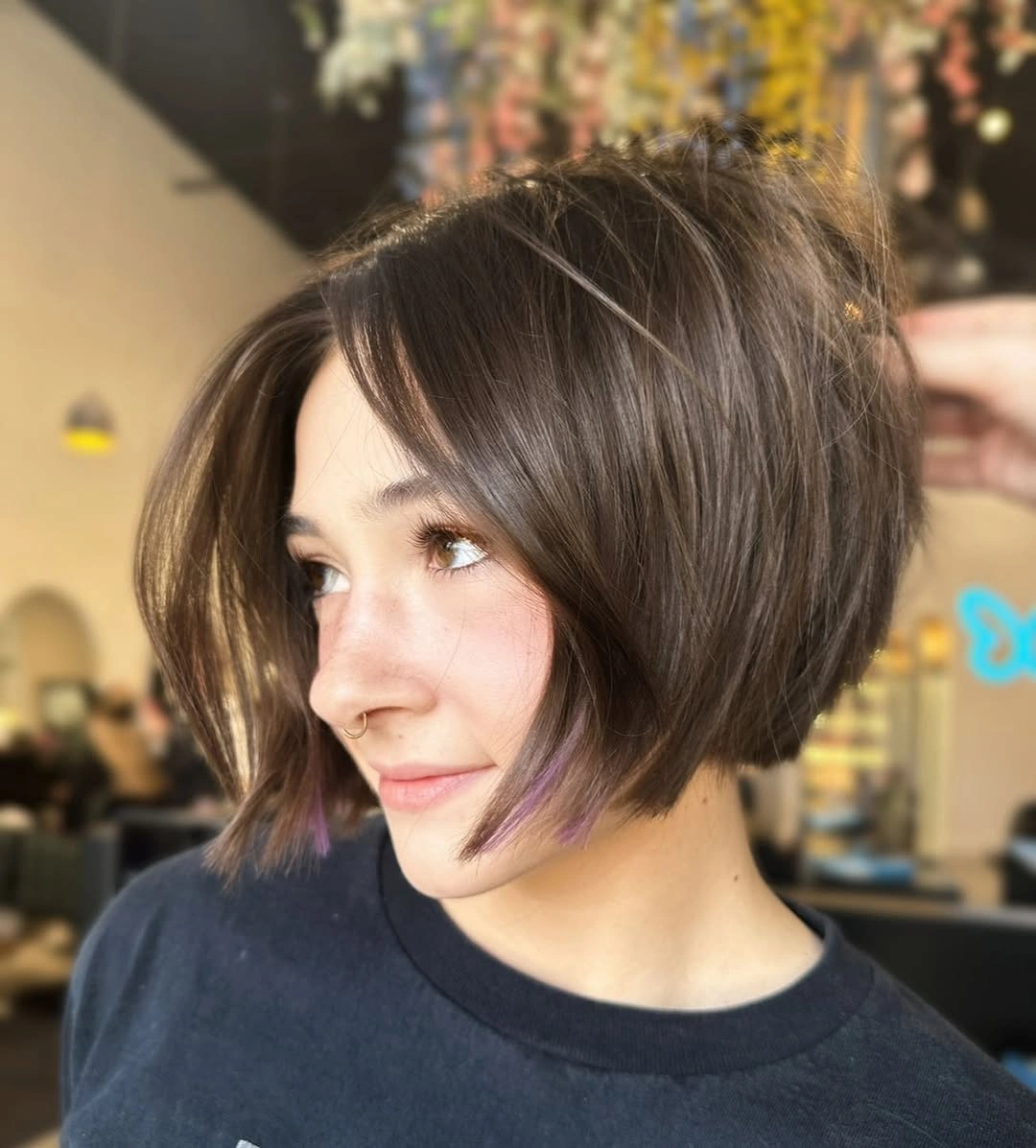
Longer center-parted pieces extend toward the jaw and create a more vertical line at the front than the rounded back initially suggests. Among bob hairstyles for women over 30, that front-to-back contrast is worth noticing because it offers short overall proportions without giving up length around the face. A faint purple accent near one front tip adds a small point of emphasis without altering the silhouette.
The angle is most convincing because the difference in length is easy to read from the side. You get the clean compactness of a short back together with a noticeably longer frame in front.
Long Shag With Cascading Face Layers
Very long hair can carry extensive layering without losing its overall length, and this shag shows how clearly that can work. Wispy curtain fringe starts the movement high around the forehead, then shorter face-framing pieces step downward beside the cheeks before blending into layers around the shoulders. The eye keeps traveling through those changing lengths even though the longest hair extends well below them.
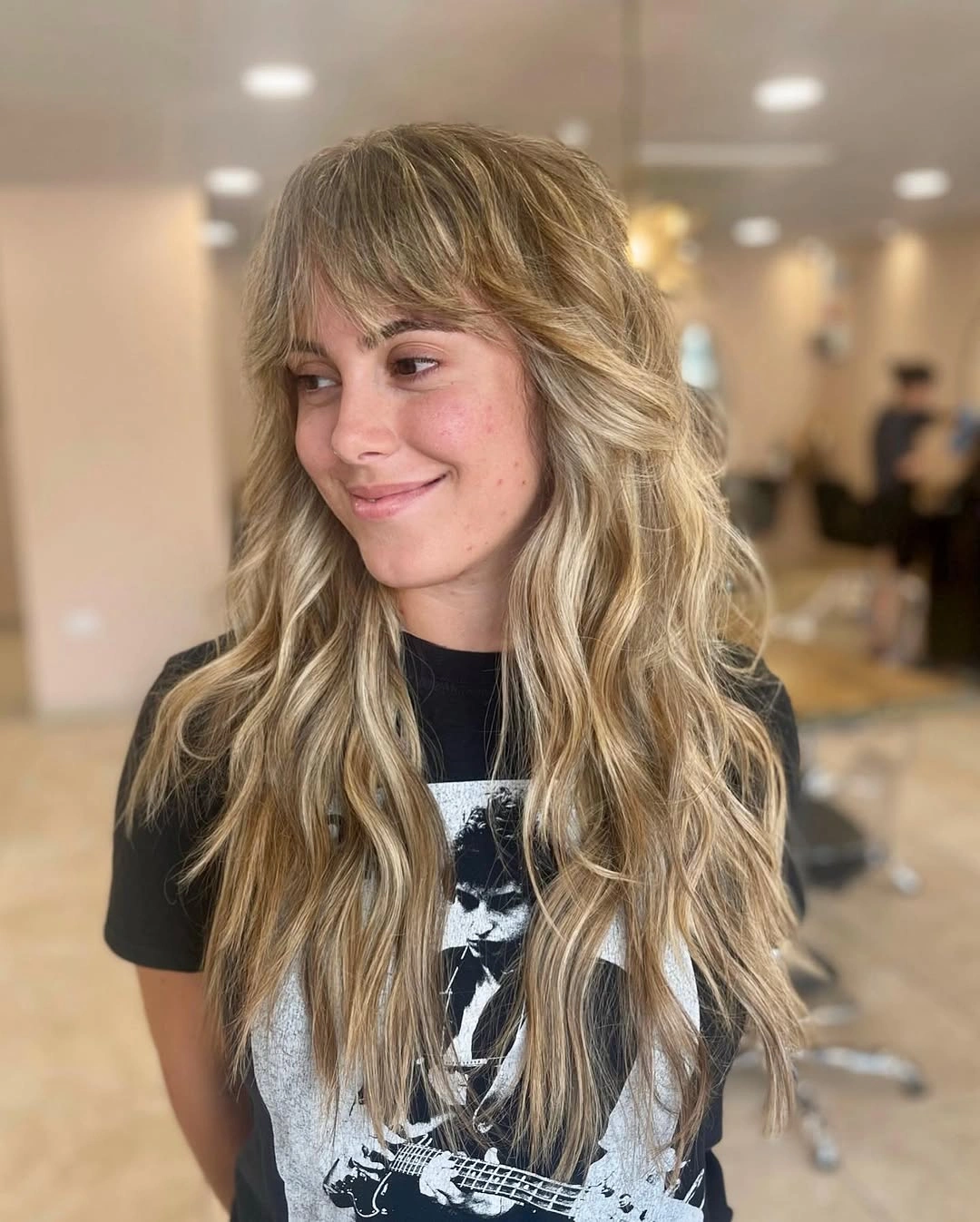
That descending sequence makes this a strong reference among long hairstyles for women over 30 when the goal is to remove visual heaviness from the front without sacrificing the long silhouette. Loose waves continue through the lower sections, so the shorter layers do not look detached from everything beneath them. Instead, each level contributes another curve to the same flowing shape.
Preserving length does not have to mean preserving one continuous curtain of hair. Here, the long perimeter remains obvious while repeated shorter layers give the front far more movement and separation.
Long Curly Shag With Rounded Fringe
The silhouette here is built by curl length rather than by crisp, straight edges. Short rounded curls gather across the forehead and crown, giving the upper part of the haircut a compact shape, while smaller side curls sit closer to the face. That concentrated texture creates a distinct top section without needing a blunt fringe or a sharply defined perimeter.
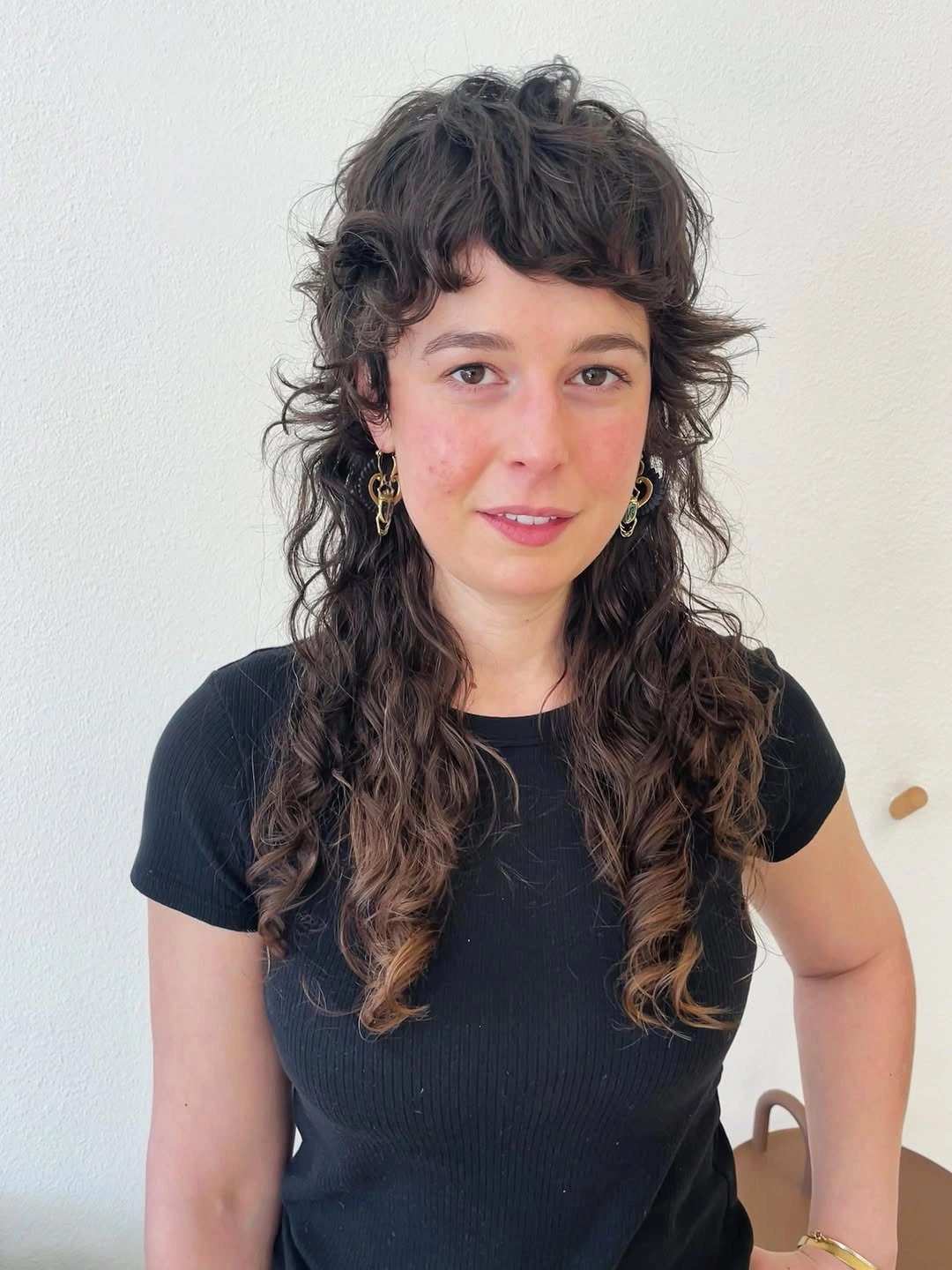
Longer ringlets continue well below the shorter side layers, so the haircut keeps a strong vertical sweep even with so much activity near the crown. Among curly hairstyles for women over 30, this is an especially useful example because the layering works with the visible curl pattern instead of imitating the structure of a straight shag. The changing lengths give each area room to keep its own texture.
I like that the curls create both separation and continuity at once. The upper layers establish the shape, while the extended ringlets make the overall impression unmistakably long.
Smooth Blonde Bob With a Deep Side Part
After so many visibly layered shapes, this smooth bob feels appealingly restrained. A deep side part creates one broad front section that sweeps across the forehead, so asymmetry comes from direction rather than from short fringe or heavily graduated face pieces. The pale lengths and darker roots also make that clean sweep especially easy to follow from the top into the sides.

Near the neck, the ends curve gently inward and reinforce the rounded outline instead of breaking into choppy points. There is relatively little visible layering to distract from that controlled perimeter, which gives the haircut a calmer, more contained character. If you prefer a bob whose shape is readable at a glance, this is a convincing example of letting the part and lower edge do most of the work.
The simplicity is what earns my attention here. Nothing needs to compete with the sweeping front section because the rest of the cut supports the same smooth, rounded direction.
Long Textured Shag With Full Fringe
The fringe has enough fullness to define the forehead, but its edge is softened by irregular pieces rather than held in one rigid line. That texture continues naturally into shorter sections around the cheeks, so there is no abrupt moment where the bangs end and the rest of the haircut begins. The face framing feels connected to the larger shag instead of sitting on top of it.
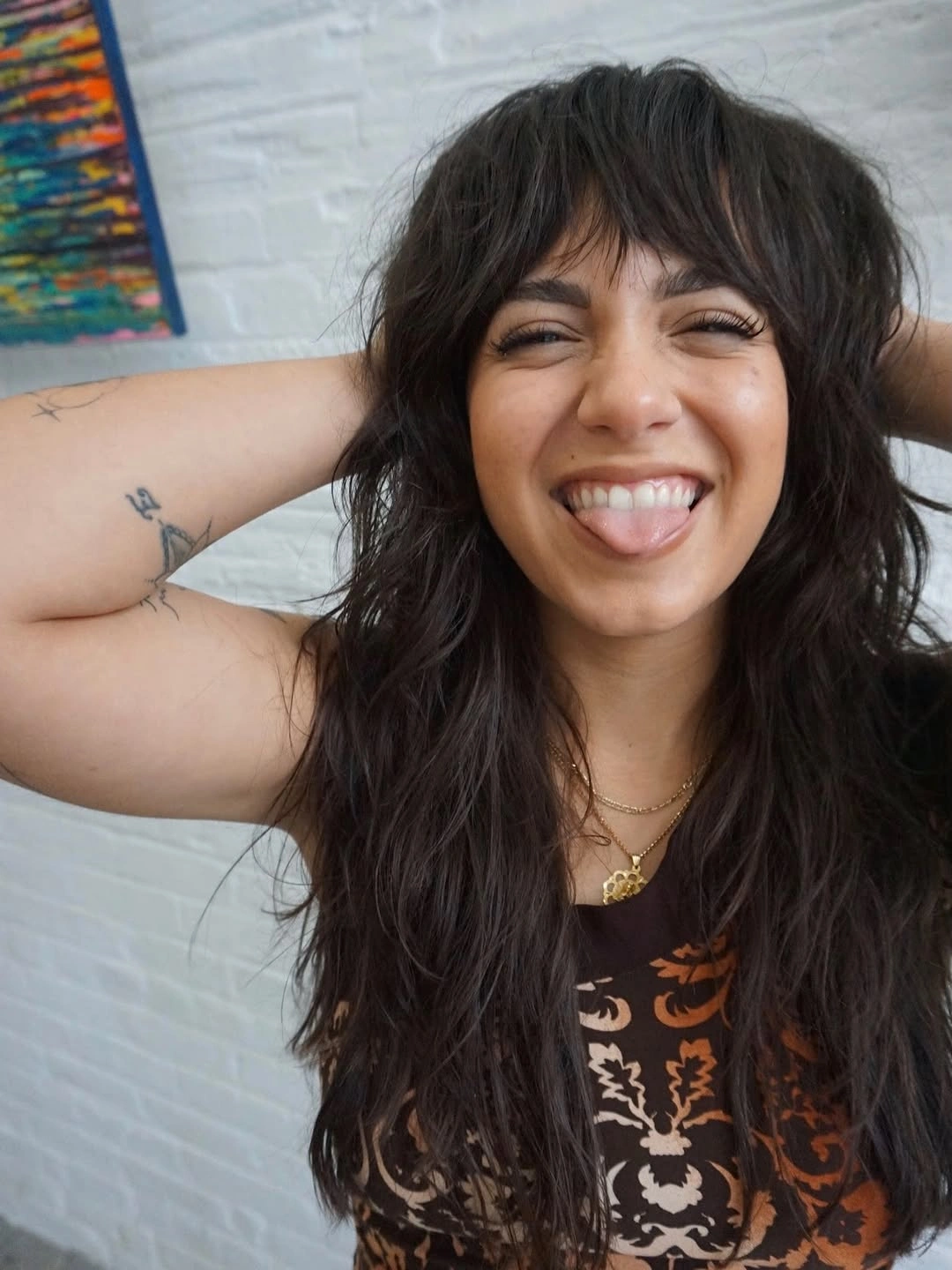
From there, abundant layers spread movement through the shoulders before the longest sections continue well below them. Loose, uneven waves reinforce the same textured character through the lower half, making the perimeter less important than the movement inside the haircut. It is a useful direction for long hair when you want the eye to notice layers and texture before it notices the final length.
The cut feels cohesive because every level shares some softness and irregularity. The fringe, cheek layers, and longer waves belong to the same idea without needing identical lengths.
Center-Part Lob With Open Face Framing
A center part keeps the forehead open and sends two long front sections downward beside the face, which gives this lob a noticeably vertical starting point. Rather than turning inward immediately at cheek level, those pieces stay relatively long before joining the broader movement below. The result is clean around the center while still leaving room for softness through the lower half.
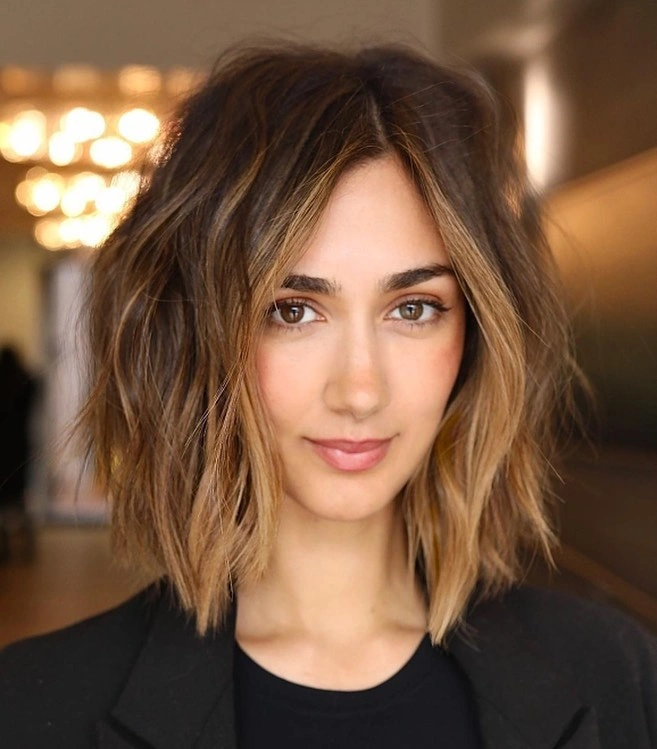
Loose bends begin farther from the part and become more noticeable toward the lighter ends, so width appears lower in the silhouette instead of directly beside the forehead. For readers considering hairstyles for women over 30 with round faces, that relationship is more useful than chasing a single prescribed haircut. An open center and longer front lines are simply one way to explore a more elongated framing effect.
The shoulder-length perimeter keeps the cut compact enough to feel like a lob rather than long hair. Its softer lower bends prevent those clean vertical front lines from making the whole shape feel severe.
Graduated Blonde Bob With Long Front Pieces
The contrast between the back and front is unusually strong here. The rear sits high and rounded, creating a clearly cropped shape around the nape, while pale top sections and darker lowlights make the graduation across the head easier to notice. Instead of carrying that short length evenly forward, the haircut changes direction dramatically as it approaches the face.
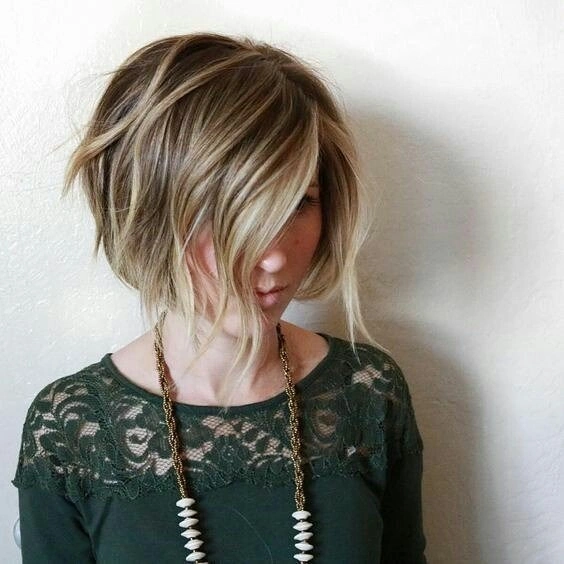
Long front pieces sweep diagonally across the face and extend well below the shortest point at the back, preserving a surprising amount of visible length from the front. For anyone browsing short hairstyles for women over 30 but reluctant to lose every longer section at once, that proportion offers an interesting middle ground. The haircut reads short overall while still giving the front substantial reach and movement.
What makes the shape memorable is not simply that the back is cropped, but how far the front travels away from it. That exaggerated difference turns a familiar graduated bob into a much more directional profile.
Center-Part Lob With Long Open Front Layers
The open center is what gives this lob its calm, spacious feeling. The part stays visible from the roots downward, and the front pieces fall long enough to frame the sides without turning into bangs. Because those sections curve away from the cheeks before joining the rest of the waves, the face stays visually open while the shoulder-length outline remains soft and compact.
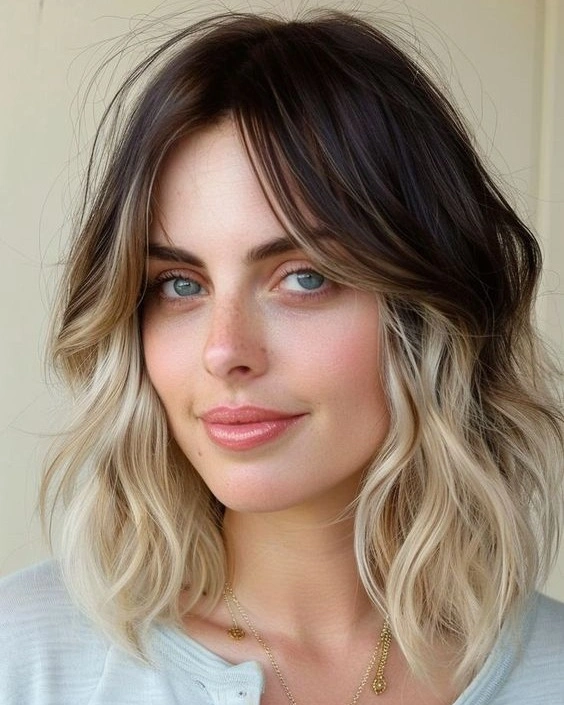
I like how the movement begins beside the face instead of crowding the forehead. The front layers sweep outward, then melt into broader waves around the shoulders, so the framing feels built into the haircut rather than added on top. It is a useful choice if you want a lob with noticeable shape but prefer to keep the center clear and the fringe area uncomplicated.
The effect is gentle but still deliberate. Long front pieces do the framing work while the rest of the cut keeps the easy proportions of a shoulder-length lob.
Copper Shag-Mullet With a Short Blunt Fringe
The short blunt fringe gives this shag-mullet its clearest line. It cuts straight across the forehead while the crown behind it breaks into choppier, less regular layers, creating an immediate contrast between precision and texture. That difference makes the upper part of the haircut feel graphic without forcing the entire silhouette into the same crisp geometry.
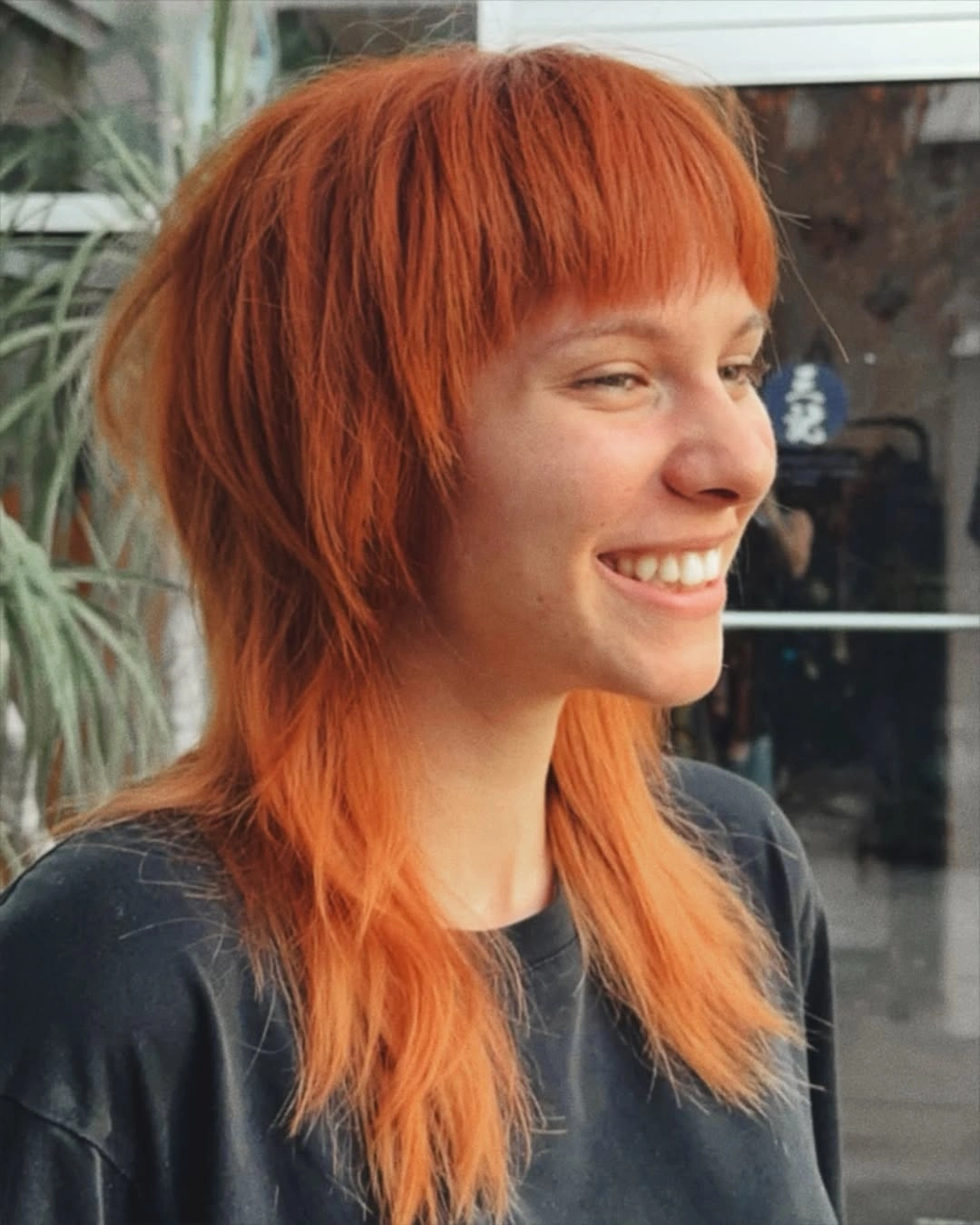
From the crown downward, the shape stretches instead of closing into a bob-like perimeter. Shorter layers give way to longer, straighter pieces through the sides and nape, so the cut keeps visible length over the shoulders while still feeling strongly tiered. The bright copper-orange color makes those changes in length especially easy to read from top to bottom.
What I like most is the refusal to choose between a strong fringe and preserved length. The front stays compact and exact, while the back continues into a much longer, more elongated shape.